Installation of 48-core optical cable
Proper installation of a 48-core optical cable requires careful handling, adherence to minimum bend radius, controlled pulling tension, and use of figure-eight coiling to prevent twisting and damage.
Pre-Installation Preparation
Before installation, conduct a site survey to identify all pathways, manholes, ducts, and potential obstacles. Ensure all permits and approvals are in place and that the installation area is free of sharp objects or debris that could damage the cable . Prepare the necessary tools and equipment, including cable-pulling devices, tension monitors, fusion splicers, and protective materials for outdoor exposure .
Handling and Offloading
- Offload cable drums in an upright position in a clear, open area.
- Use lifting slings at a 45° angle and avoid standing directly under the drum during lifting .
- Keep protective material on the cable until installation to prevent mechanical damage .
- Avoid manual lifting or pushing of heavy cable drums; use appropriate mechanical equipment .
Pulling and Routing
- Follow the approved shop drawings and project specifications for routing .
- Maintain the minimum bend radius specified by the manufacturer, typically 15 times the cable diameter during installation .
- Avoid sharp turns, edges, or excessive pulling tension; for stranded loose tube or ribbon cables, the maximum pulling tension is usually around 600 lbF (2,700 N) but check the cable datasheet .
- Use figure-eight loops when unreeled to prevent twisting; loop sizes for 48-core cables are typically 2–4 meters for surface pulls or 1.5–2.4 meters in diameter for longer runs .
- Minimize mechanical pressure at crossing points, especially for armored cables .
Duct, Tray, and Aerial Installation
- For duct installation, ensure ducts are clean and free of obstructions. Use cable lubricant if necessary to reduce friction .
- For indoor tray installation, secure the cable with appropriate clamps without compressing the sheath. Leave slack for future maintenance or splicing .
- For aerial installation, follow tension limits and support spacing to prevent sagging or excessive stress on the cable .
Splicing and Termination
- Leave sufficient cable reserves in the shape of figure-eight or circular loops for splicing .
- Use splice protectors and handle fibers carefully to avoid microbends or breakage .
- Connect fibers to distributors or equipment using pigtails or direct connectors, ensuring unused fibers are properly stored .
Safety and Environmental Considerations
- Ensure the work area is signaled and barricaded to prevent accidents .
- Avoid exposure to extreme temperatures beyond the cable's rated limits .
- Use personal protective equipment and follow local safety regulations during installation . By following these steps, a 48-core optical cable can be installed safely and efficiently, maintaining its performance and longevity.
 Factory
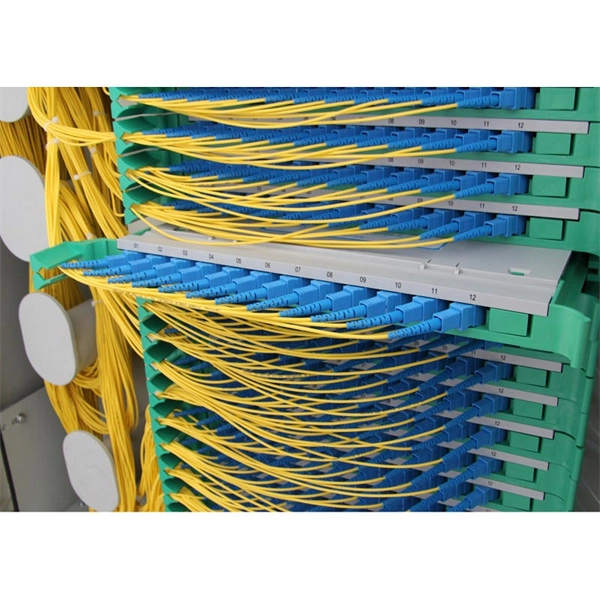
 Fiber Optic Internet Installation Guide: Steps for Installing Fiber
Learn how fiber optic internet installation works, from network planning to internal ONT setup. Discover step-by-step guidance for
 Factory
 Understanding the 48-Core Fiber Optic Cable Color Code: A Practical
The article explains the importance of the 48 core fiber optic cable color code in ensuring accurate installation and operation,
 Factory
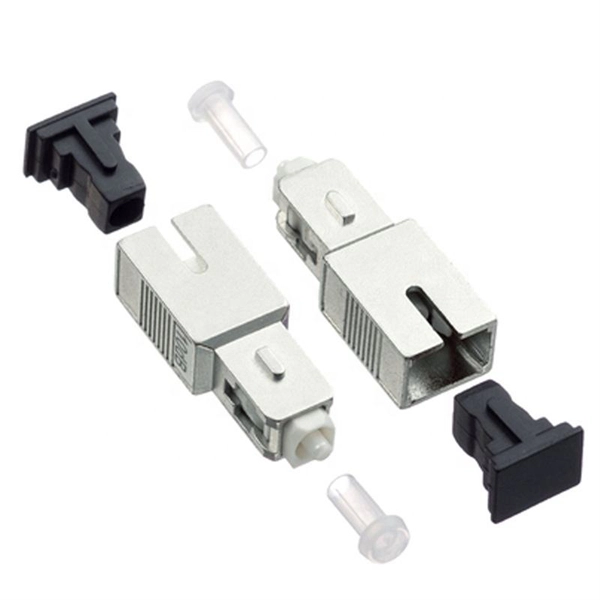
 Fiber Optic 48 core Cable
This cable allows easy movements, installations and changes. This cable is used for duct or aerial applications, installations for long
 Factory
 Optical Fiber Cable Optical Fiber Cable In
ents are described. In general, optical fibre cables can be installed using many of the same techniques as for convent onal copper
 Factory
 OPGW 24 & 48 Core Specifications | PDF | Fibers | Optical Fiber
This document provides specifications for two types of OPGW fiber optic cables: a 24 core cable and a 48 core cable. Both cables
 Factory
 48 Core Fiber Optic Cable GYTY53 Outdoor Armored Double Jacket
Description of 48 Core GYTY53 fiber optic cable Fiber optic cable GYTY53, 2~144 fibers, central strength member (steel), jelly filled,
 Factory
 Standard for Installing and Testing Fiber Optics
Fiber optic cables installed without connectors may be terminated by field termination by installing connectors onto the fibers using
 Factory
 The FOA Reference For Fiber Optics
Fiber optic cable may be installed indoors or outdoors using several different installation processes. Outdoor cable may be direct
 Factory
 12/24/48 Core ADSS Optical Fiber Cable
Explore everything about ADSS fiber optic cables including the full form, core types (12/24/48 core), major brands, specifications,
 Factory
 48 Core Fiber OTerminal Box for High-Density FTTH Networks
DESCRIPTION The HTB8048 Fiber Optic Terminal Box is a versatile, high-capacity termination solution for FTTx applications,
 Factory
 How to Choose the Suitable Number of Fiber Cores for Your Network
How to Select the Suitable Number of Fiber Cores After covering the basic concepts of fiber cores, the next focus is to clarify the
 Factory
 Installation of Corning Optical Communications Self-Supporting
It incorporates both a steel messenger and the core of a standard optical fiber cable into a single jacket of figure-eight cross-section.
 Factory
 Indoor Installation of Corning Optical Communications Fiber Optic Cable
Before the installation begins, carefully inspect the cable reel for protrusions such as nails and broken flanges which might cause