What is the normal sound level of a secondary distribution box
The typical sound level of a secondary distribution box, mainly determined by its transformer, ranges from 40 to 60 dB depending on kVA rating and installation conditions.
Typical Sound Levels
Secondary distribution boxes usually contain low-voltage switchgear and a power transformer. The transformer is the primary source of audible noise, generated by magnetostrictive vibrations in the core and electromagnetic forces in the windings. For small distribution transformers (e.g., 15–50 kVA), the sound level is typically around 50 dB, while larger transformers may reach 55–60 dB under full load conditions (IEC 60076-10) . The perceived loudness depends on the ambient environment. For example, a 50 dB transformer in a factory with 85 dB ambient noise is inaudible, but the same transformer in a quiet residential area (ambient ~30 dB) may be noticeable and considered objectionable .
Measurement Standards
Sound levels are measured according to IEC 60076-10, which defines methods for determining sound power and sound pressure of transformers and reactors. Measurements are typically made at the factory under controlled conditions, using A-weighted decibels (dBA) to reflect human ear sensitivity .
- Sound power (dBA): Absolute acoustic output of the transformer, independent of environment.
- Sound pressure (dBA): Measured at a specific location, influenced by distance, reflections, and surrounding objects.
Factors Affecting Sound Levels
- Transformer design: Core construction, winding arrangement, and tank rigidity influence vibration amplitude.
- Load current: Sound power increases with the square of the current due to electromagnetic forces in the windings.
- Installation environment: Enclosures, walls, and nearby objects can amplify or dampen sound.
- Cooling method: Air-cooled transformers may produce more audible noise than oil-immersed types.
Practical Considerations
When designing or installing secondary distribution boxes:
- Consider ambient noise to ensure transformer sound is not objectionable.
- Use vibration isolators or acoustic enclosures if installed in noise-sensitive areas.
- Refer to manufacturer nameplate data for specific sound ratings of the transformer used in the box . In summary, while there is no single fixed standard, secondary distribution boxes typically produce 40–60 dB of sound, with the exact level depending on transformer size, load, and installation conditions. Proper design and placement can minimize noise impact in sensitive environments.
 Factory
 CHAPTER 48. NOISE AND VIBRATION CONTROL
Record the sound level meter make, model, and serial number; measured sound pressure levels for each microphone location;
 Factory
 Average sound level in Connections CAUTION: Care must be taken
here represent average values obtained in a sound laboratory per industry standard test procedures. Decibel values obtained in field
 Factory
 Specification of Sound Levels for Transformers and Reactors
A signicant concern for power fi transformers and reactors is the audible sound emitted into the surrounding areas, affecting both the
 Factory
 Common Noise Levels
common noise levels - how loud is too loud? Continued exposure to noise above 70 dBA (adjusted decibels) over time will cause
 Factory
 H VAC AC O U S T I C A L A P P L I C AT I O N G U I D E L I N E S
Sound Power Level (Lw) values for Air Terminal devices are usually reported as the sound power level in each of several octave
 Factory
 SECTION 9: ELECTRICAL POWER DISTRIBUTION
3 The Electrical Grid Three main components to the electrical grid Generation ESE 450 Transmission Transmission Subtransmission
 Factory
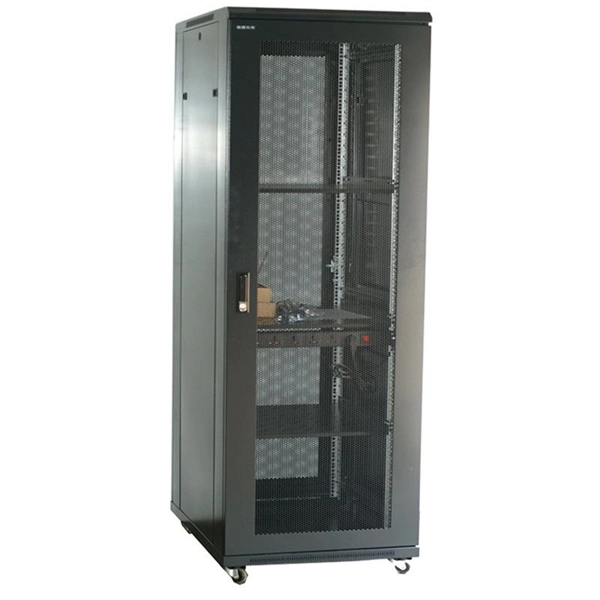
 Distribution board
A distribution board (also known as panelboard, circuit breaker panel, breaker panel, circuit breaker, electric panel, fuse box or DB
 Factory
 CHAPTER 49. NOISE AND VIBRATION CONTROL
The usual metric is either Lmax (maximum noise level over a period) or Leq (average noise level over a period). The time constant
 Factory
 Transformer Noise Level Chart by kVA: NEMA Standards Explained
This guide gives you the complete transformer noise level chart by kVA, explains why transformer sound increases with capacity,
 Factory
 What Is Secondary Distribution Voltage?
Secondary distribution voltage represents the final stage of electricity delivery, marking the point where high-voltage power is
 Factory
 Understanding VAV Sound Standards
Then, the NC-level is computed using the sound pressure and published for both discharge and radiated sound. The result is two