Off-grid power systems with low-temperature resistance are used in railway communications
Off-grid power systems for railway communications use solar, wind, fuel cells, and thermoelectric technologies, designed to operate reliably in low temperatures and remote locations.
Key Technologies
Solar and Wind Hybrid Systems: Many remote railway crossings and signalling points rely on hybrid systems combining solar panels and micro wind turbines. These systems are sized based on local solar irradiation and wind speed data to ensure continuous operation year-round, even in low-temperature conditions. Batteries, typically lead-acid or lithium-ion, store energy to maintain 24/7 functionality during periods of low sunlight or wind . Fuel Cells: Fuel cells, such as EFOY units, provide a clean, quiet, and low-maintenance alternative to diesel generators. They are particularly effective in cold climates where solar-only systems may be unreliable. Fuel cells can deliver consistent power to signalling and communication equipment without frequent maintenance . Thermoelectric Generators (TEGs): TEGs convert small temperature gradients into electrical energy and are suitable for low-temperature environments. For example, in railway or electrical substation applications, TEGs can harvest energy from slight differences between ambient air and heated conductors, supplying low-power wireless sensors for monitoring and communications .
Design Considerations
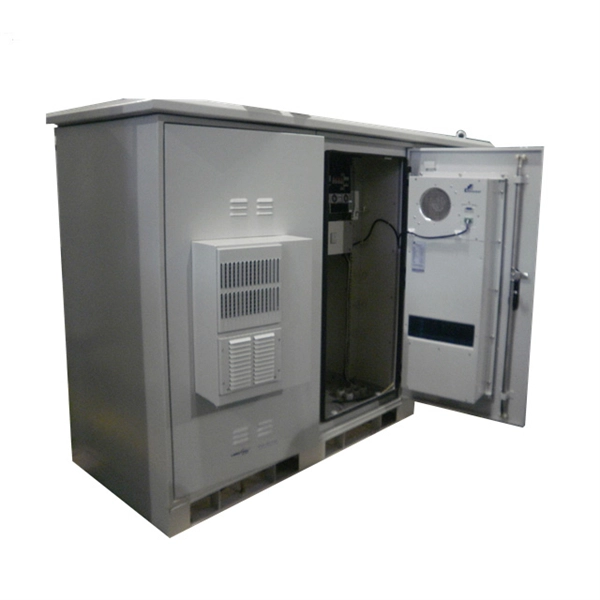
Environmental Durability: Off-grid systems must withstand extreme temperatures, ice, snow, and wind. Enclosures are often rated to NEMA or IP standards to protect against moisture and dust, and components are selected for low-temperature tolerance . Energy Storage and Redundancy: Batteries are sized to handle periods of low generation, and redundancy is often built into the system with multiple energy sources or parallel generators. Automatic transfer and control systems ensure uninterrupted power to critical railway communications . Load Matching: Systems are designed to support both heavy inductive loads (e.g., motors for points) and sensitive electronics (e.g., signalling and communication devices). Proper sizing ensures stable voltage and frequency, even under transient conditions .
Applications
- Remote Railway Crossings: Off-grid systems power automated train warning systems, Miniature Stop Lights (MSL), and other signalling equipment where grid access is unavailable .
- Heritage and Low-Traffic Railways: Fuel cell and hybrid systems provide reliable power for points and signalling without the noise and maintenance of diesel generators .
- Monitoring and IoT Sensors: TEGs and small-scale solar systems supply energy to wireless sensors for track and equipment health monitoring, even in sub-zero temperatures .
Benefits
- Year-Round Reliability: Systems are engineered to operate continuously in all weather conditions, including extreme cold .
- Reduced Maintenance: Fuel cells and hybrid systems minimize the need for frequent servicing compared to diesel generators .
- Scalability and Customization: Off-grid solutions can be tailored to specific site requirements, load profiles, and environmental conditions . In summary, off-grid power systems for railway communications combine renewable energy, fuel cells, and energy storage with robust design to ensure reliable operation in low-temperature and remote environments, supporting signalling, monitoring, and safety-critical applications.
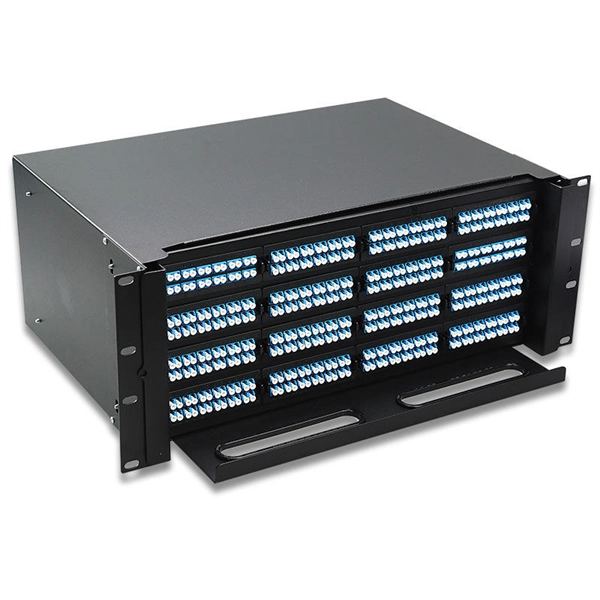 Factory
 Hybrid power systems for off-grid locations: A
It is against this backdrop that this study reviews technologies, designs, and applications of the hybrid power system in
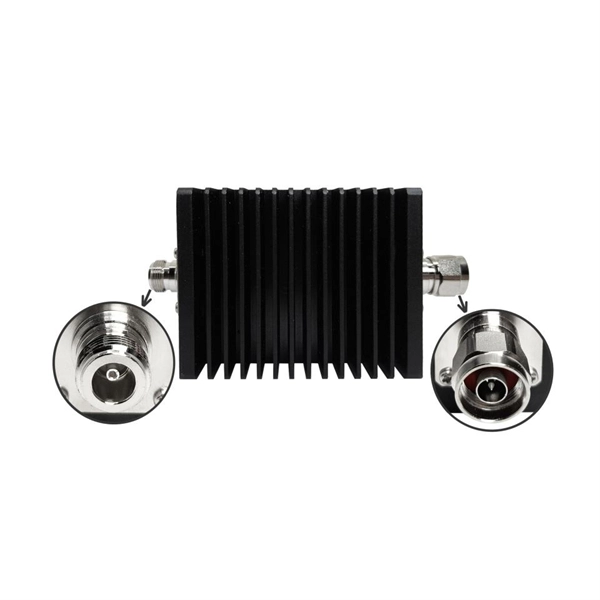 Factory
 Performance of Various Types of Resistors at Low Temperatures
Passive as well as active electronic components capable of low temperature operation constitute a key requirement for the
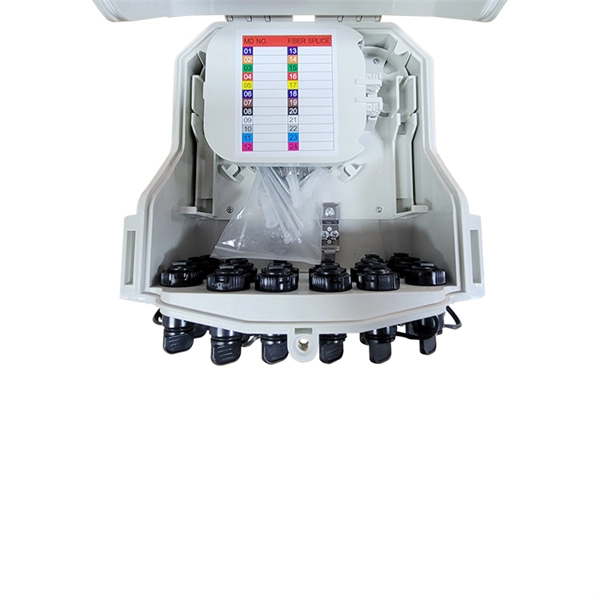 Factory
 Solar panel
Solar panels are usually arranged in groups called arrays or systems. A photovoltaic system consists of one or more solar panels, an
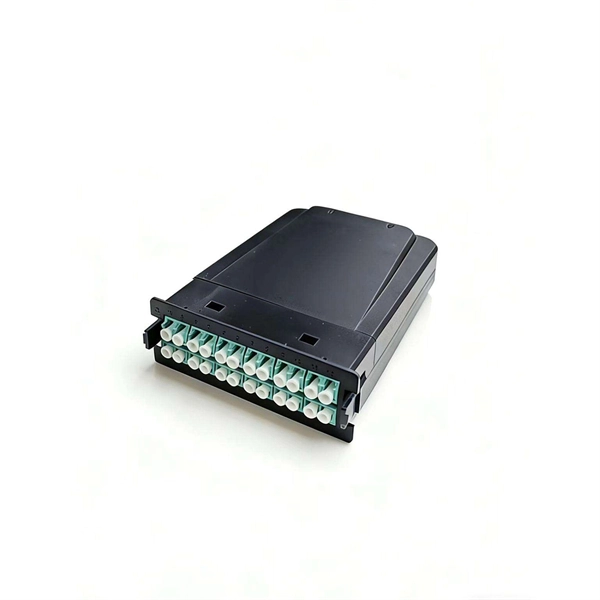 Factory
 Off-grid systems for rural electrification in developing countries
In the first one we describe the role of small-scale generation systems throughout the process of electrification, the main features of
 Factory
 Railway Power Supply Solutions
We specialize in custom railway power solutions for on-board and trackside heavy rail power supply applications that meet EN 50155
 Factory
 OFF-GRID RENEWABLE ENERGY SYSTEMS
Of-grid systems are not new For decades they have been used to supply remote areas (e.g.,rural villages, islands and even small
 Factory
 Off-Network Communications For Future Railway Mobile Communication
Defined by the International Union of Railways (UIC), the Future Railway Mobile Communication System (FRMCS) contains many
 Factory
 OFF-GRID RENEWABLE ENERGY SOLUTIONS
Off-grid renewable energy solutions have emerged as a mainstream solution to expand access to modern energy services in a timely
 Factory
 Overview of resilient traction power supply systems in railways with
In recent years, the achievement of a renewable and sustainable traction power supply system (TPSS) in the rail sector has become
 Factory
 Off-grid renewable energy highlights
Introduction IRENA defines off-grid renewable systems as renewable technologies that serve people in rural/remote areas that have
 Factory
 GAPTEC DC-DC Railway Power Application Guide
This application note underlines the different requirements that are in use for battery powered railway applications and introduces
 Factory
 Overhead power line
An overhead power line is a structure used in electric power transmission and distribution to transmit electrical energy along large
 Factory
 ISES SWC2015 Paper Formatting Guidelines
Abstract Low temperature district heating is a heat supply technology for efficient, environmental friendly and cost effective
 Factory
 L.L an
Enjoy Free Shipping with $75 purchase on clothing, shoes, outdoor gear and more, all made for the shared joy of the outdoors.
 Factory
 Electric power transmission
Electric power transmission is the bulk movement of electrical energy from a generating site, such as a power plant, to an electrical