What are the configuration requirements for the main distribution box
A main distribution box must be properly sized, safely installed, grounded, and equipped with appropriate protective devices to ensure reliable and code-compliant electrical distribution.
Enclosure and Placement
The distribution box should be selected based on environment, load capacity, and durability. Indoor boxes can be plastic or steel, while outdoor or industrial setups require higher IP/NEMA ratings for protection against water and dust . Install the box in a dry, well-ventilated, and accessible location, typically 1.5–1.8 meters above the ground, ensuring adequate clearance for maintenance . Secure the box to a sturdy surface using appropriate mounting hardware to prevent movement or tilting .
Electrical Load and Sizing
Determine the total electrical load of all circuits, including potential future expansions, to select a box with sufficient capacity . Calculate the current demand and ensure the box can accommodate the main breaker, individual circuit breakers, busbars, and wiring without overcrowding . Each circuit should have a breaker rated for its specific load.
Wiring and Connections
Use high-temperature resistant copper wires with cross-sectional areas matching the load requirements . Connect phase, neutral, and earth conductors properly, ensuring tight and secure connections to busbars and terminal blocks . Maintain neat cable management, proper insulation, and clear labeling of all circuits for safety and future maintenance . All cable inlets and cover joints should be sealed to prevent dust or moisture ingress .
Protective Devices
Include main circuit breakers, individual breakers, fuses, surge protection devices (SPDs), isolators, and disconnect switches to safeguard the system against overloads, short circuits, and voltage spikes . Each circuit should have its own protection, and SPDs are recommended for sensitive electronics .
Grounding and Safety
The metal enclosure, electrical installation board, and all metallic components must be properly grounded . The protective neutral wire should be reliably connected through the terminal board. Operators should use personal protective equipment during installation, and power must be disconnected before wiring or maintenance .
Testing and Maintenance
Before powering on, perform visual inspections, insulation resistance tests, and multimeter checks to verify correct installation . Schedule regular inspections and maintenance, including tightening connections, cleaning dust and debris, and testing protective devices to ensure long-term reliability . Address any signs of overheating, corrosion, or unusual odors immediately.
Documentation and Labeling
Label all circuits clearly and maintain installation records for future inspections or upgrades . Consider modular designs to facilitate future expansion or replacement of components . By following these configuration requirements, a main distribution box can provide safe, reliable, and code-compliant electrical distribution for residential, commercial, or industrial applications.
 Factory
 Safety requirements of distribution box
The distribution box has the characteristics of small size, simple installation, special technical performance, fixed location, unique
 Factory
 Wiring of the Distribution Board From Energy Meter to the Consumer
Wiring of the Distribution Board (Single Phase Supply From Utility Pole & Energy Meter to the Consumer Unit While we have already
 Factory
 How to Choose a House Distribution Box | CHINT global
This article guides you through selecting a distribution box that is both affordable and safe, emphasizing key features,
 Factory
 The installation requirements for the distribution box
Learn how to install a distribution box safely and correctly. Covers wiring, placement, standards, and expert tips for a
 Factory
 Main Distribution Board (MDB)
Explore MDB design, IEC 61439 compliance, and regional standards for effective power distribution. Essential insights for the Middle
 Factory
 Requirements And Specifications For Installation Of Distribution Boxes
The installation requirements and specifications of Distribution box involve many aspects, including site selection, fixing
 Factory
 The Ultimate Guide to Distribution Box Types
Discover the key types of distribution boxes with NUOMAK''s comprehensive guide. Learn about Main Distribution Boards (MDB),
 Factory
 Distribution board
A distribution board (also known as panelboard, circuit breaker panel, breaker panel, circuit breaker, electric panel, fuse box or DB
 Factory
 Wiring of the Distribution Board with RCD (Single Phase Home Supply)
Wiring Accessories for Single Phase Distribution Board Main Distribution Board or Fuse Boards (Consumer Unit) usually contains on
 Factory
 Main Distribution Boards Specifications
The document describes requirements for main distribution boards, including: 1) General requirements for construction, ratings,
 Factory
 Distribution Boards
Distribution boards, often referred to as electrical panels or breaker boxes, serve as the nerve center of any electrical system. Here
 Factory
 Distribution Box Installation: A Complete Guide to Safe and Efficient
The distribution box, often referred to as a breaker box, fuse box, or electrical panel, is a critical component of any electrical system.
 Factory
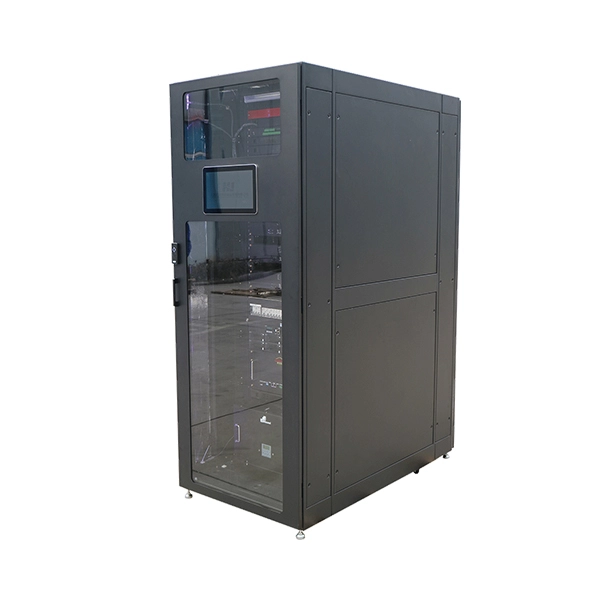
 Main Distribution Box
To eliminate inter-voltage connection, each connector is keyed and color-coded to meet specific voltage requirements. The MDB can
 Factory
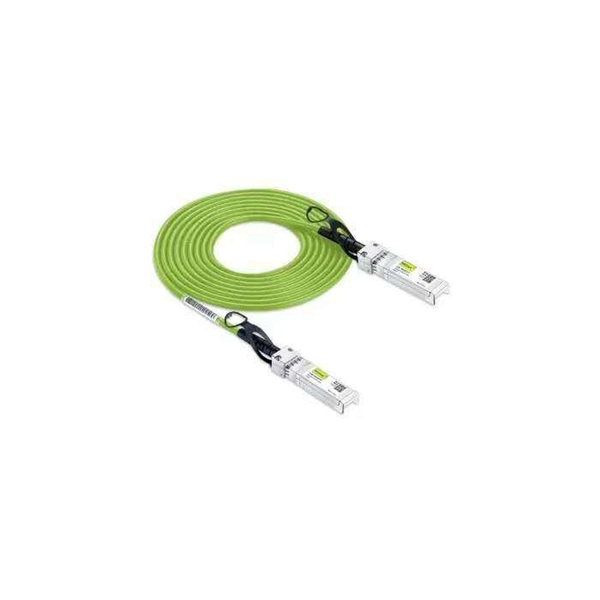
 What Is an Electrical Distribution Box? A Complete Guide
An electrical distribution box routes power, prevents overloads, and keeps wiring organised—essential for safe, efficient home and
 Factory
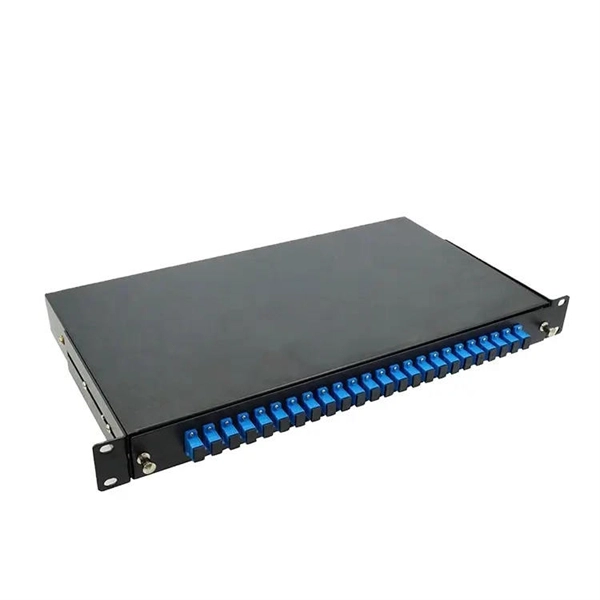
 Chapter 1: Overview of The Power Distribution System
Overview of the System Electricity enters the site from a Transformer through the ''Service Entrance'' to the main electrical panel
 Factory
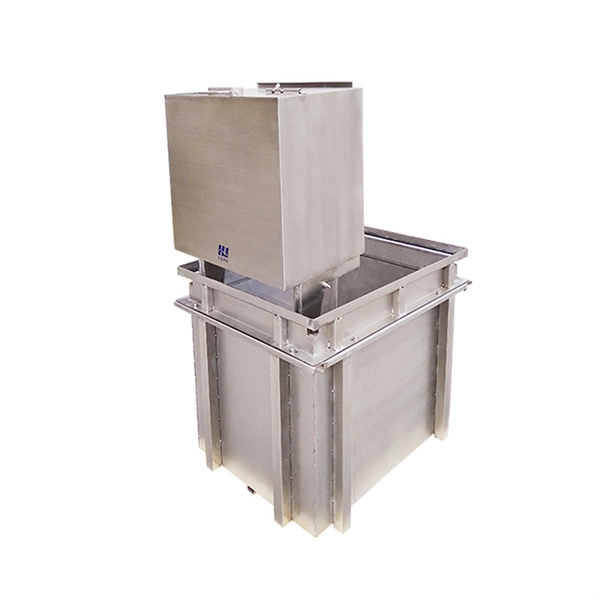
 Electric Panel Installation Method Statement
This document provides a method statement for installing and terminating electric panels and distribution boxes. It outlines 4 steps:
 Factory
 Guide to Commercial Installations Distribution Boards & Panelboards
Introduction The whole nature of electrical sub and final distribution for commercial installations has changed in the last few years.
 Factory
 Size determination, installation method and wiring mode of distribution
The distribution box is the central hub of the home circuit and the general control of our daily power consumption. It is an