Non-power cable trays and high-power cable trays
Non-power cable trays are designed for low-voltage, signal, or instrumentation cables, while high-power cable trays are built to support heavy-duty electrical power cables safely.
Non-Power Cable Trays
Non-power cable trays are primarily used for low-voltage, communication, instrumentation, and control cables. These trays often include:
- Wire mesh (basket) trays: Lightweight, ventilated, and ideal for short spans of signal or fiber-optic cables, providing easy access for maintenance and upgrades .
- Solid-bottom trays: Used for sensitive cables like fiber optics where drooping or electromagnetic interference must be minimized .
- Channel trays: Suitable for small cable runs from main trays to devices, often in aesthetic or confined spaces . Non-power trays are designed to minimize heat buildup, prevent electromagnetic interference, and allow flexible routing of multiple small cables. Materials commonly used include aluminum, stainless steel, and fiberglass for corrosion resistance and lightweight support .
High-Power Cable Trays
High-power cable trays are intended for power distribution cables, which are heavier, generate more heat, and require robust support. Key features include:
- Ladder trays: Two side rails connected by rungs, ideal for heavy power cables over long distances, allowing heat dissipation and easy cable securing .
- Perforated trays: Ventilated bottom provides additional support while allowing airflow to reduce heat accumulation .
- Solid-bottom trays: Sometimes used for high-power cables in areas where protection from physical damage is critical . High-power trays must accommodate larger cable diameters, higher weight, and thermal management. Materials like galvanized steel, aluminum, and stainless steel are chosen for strength, durability, and corrosion resistance .
Cable Types and Standards
- Non-power cables: Include Instrumentation Tray Cable (ITC), shielded or unshielded, twisted pairs, or fiber-optic cables, often with metal armor for protection .
- High-power cables: Include Tray Cable (TC) for 600V circuits, metal-clad (MC) cables, and other power-rated conductors, designed to meet UL and NEC standards for flammability, mechanical resistance, and temperature . Both types of trays must comply with NEC Section 392 and relevant UL listings, ensuring proper support, spacing, and secure installation. Non-power trays focus on signal integrity and minimal interference, while high-power trays prioritize load-bearing capacity and heat dissipation .
Summary
- Non-power trays: Light-duty, ventilated or solid, for low-voltage, signal, or instrumentation cables; focus on flexibility, EMI protection, and minimal heat buildup.
- High-power trays: Heavy-duty, ladder or perforated, for electrical power cables; focus on structural strength, heat dissipation, and compliance with electrical codes.
- Material selection: Aluminum, steel, stainless steel, or fiberglass depending on environment, load, and corrosion resistance requirements. Choosing the correct tray type ensures safety, reliability, and ease of maintenance for both low-power and high-power cable systems .
 Factory
 Core Principles for Electrical and Instrumentation Cable Tray Layouts
In industrial settings, electrical and instrumentation (E&I) cable trays or bridge racks play a critical role in organizing and supporting
 Factory
 Cable Tray Technical Guide A practical guide to product selection and
In designing supports for a cable tray system, consideration should be given to the loads associated with future cable additions and
 Factory
 Cable Tray Questions | Cable Tray Institute
Answer: No. Cable trays are a support system for electrical cables, power, signal, and communication and optical fiber cables. NEC
 Factory
 Cable Tray Technical Guide A practical guide to product selection and
Cable Tray Technical Guide A practical guide to product selection and installation This guide for engineers and installers has been
 Factory
 Safely Installing, Maintaining and Inspecting Cable Trays
Cable trays support cables across open spans in the same way that roadway bridges support traffic. Cable trays can provide a safe
 Factory
 Cable Tray and Reels | Wire and Cable Management
From heavy power cable pathways on oil drilling platforms to data center cabling, explore the cable tray that''s strong yet easy to
 Factory
 AEN052 Cable Trays and Optical Cables
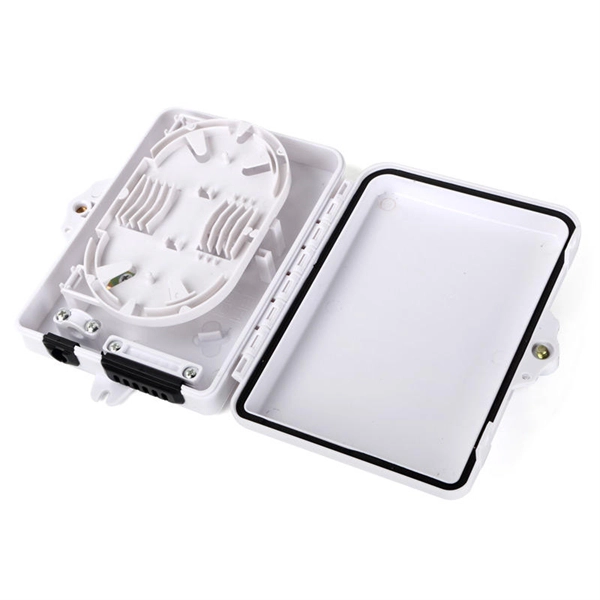
The question arises as to what listing is required for an optical fiber cable installed in a cable tray. While there are several specific
 Factory
 Ampacity of Power Cables Installed in Cable Trays
The cables in trays are typically installed in close groups or bundles, causing strong mutual heating effects. Metal trays also have
 Factory
 White Paper #2402 Comparing Cable Tray and Cable Bus for Power
Introduction Power distribution systems play a critical role in transmitting electrical energy from a source to various loads. Cable tray
 Factory
 Cable tray products
Explore our complete range of cable tray types designed for industrial, commercial, and infrastructure projects. Get customized cable
 Factory
 Cable Trays Selection Guide: Types, Features, Applications
Cable trays are components of support systems for power and communications cables and wires. A cable tray system supports and
 Factory
 Cable Trays
Cable trays are systems that distribute bundles of insulated electrical cables from power supplies to electrical equipment, consisting
 Factory
 Cable tray manual
Normally, three conductor power cables provide more desirable electrical wiring systems than single conductor power cables in cable